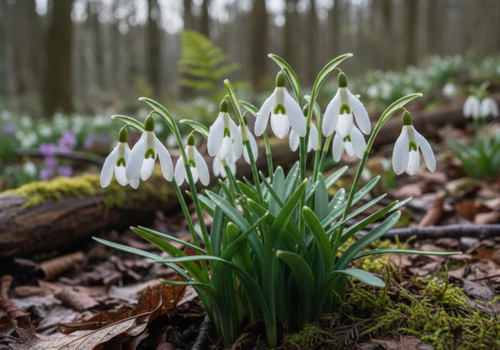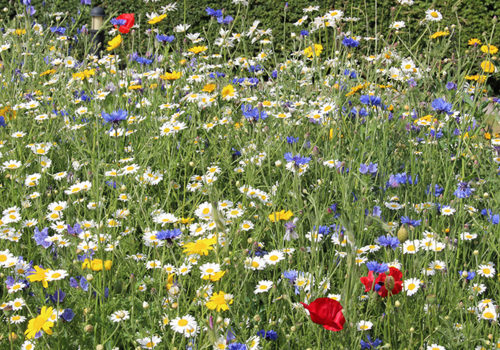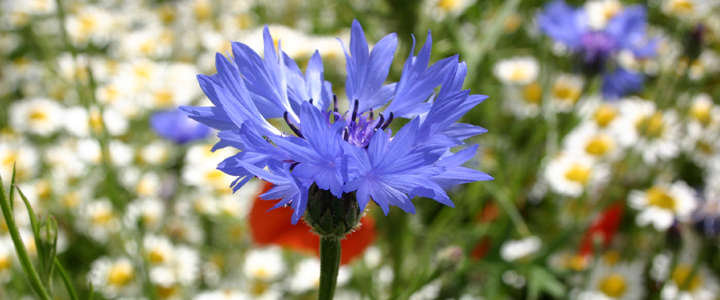
We all know that wildflowers are essential and they have been growing in popularity for the past 20 years, which is excellent news, as we have lost over 97% of wildflower meadows from the 1930s up to the 1980s.
The collective progress made since then is unclear, but what is clear is that we need to continue creating wildflower meadows of any shape and size to fulfil the needs of our local eco-system.
The Importance of Wildflower Meadows
- A significant contribution made by native wildflowers is to modern medicine as certain wildflowers contain compounds used in medicine. these include Self Heal (Prunella vulgaris) which has antibiotic properties and Foxgloves (Digitalis purpurea) which contain chemicals used in the treatment of heart disease. These are just two examples, there are many more examples available and still more to discover.
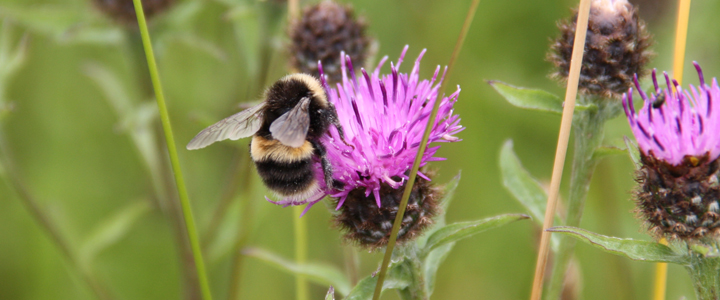
- A big job that wildflowers undertake is to provide bees, butterflies and other pollinators with food sources throughout the seasons, and that is why a wide range of wildflower species are required. Our favourite fruits and vegetables such as apples, strawberries, raspberries and more, rely on pollinating to produce a good crop. This job carried out by pollinators that depend on wildflowers; without them, we would require artificial pollination, which is time-consuming and very costly.
- Pollinators also help fight against crop pests, which are insects that cause damage to crops and plants. Without pollinators carrying out those battles, farmers would have to rely on pesticides even more, which would yield negative consequences for everyone.
- Wildflowers provide the countryside with beauty and memories as wildflowers bring back fond childhood memories and certain species such as the Poppy (Papaver rhoeas) remind us of the fallen soldiers that lost their lives in combat.
Wildflowers and the environment
- Starting from the roots, alongside the medicinal properties that can be found, established wildflower meadows have very stable soil due to the complex root systems formed by wildflowers. This allows the soil to handle heavy rainfall without losing nutrients and having them washed away to the nearest water system. An excess of nutrients in a water system causes algal blooms (algae) which use up all the oxygen in the water, leaving none for other marine life such as fish.
- Wildflowers provide pollinators and insects with food from leaves, pollen, nectar, shelter and places to breed. Pollinators then return the favour by transferring pollen, enabling the wildflowers to develop seeds that produce more flowers.
- Wildflowers are beneficial during the winter also. As food is scarce in the countryside, wildflower seeds become an important food source for birds and small mammals.
Native versus non-native wildflowers
- Native wildflowers have evolved alongside native wildlife over hundreds of years developing shapes, sizes, colours and scents which attract native pollinators. The flowering times are also suited to native pollinators with some insects being very picky about where they get their food and need certain native wildflowers to survive.
- Non-native species can pose a risk to native wildflowers as they can introduce diseases and compete for resources such as space, insect pollination and water.
- Crossbreeding can occur between native and non-native species of wildflowers which can interfere and modify adaptions that native species have evolved over hundreds of years. This dilutes the benefits that native wildflowers have developed. A popular example of this occurrence is the hybrid bluebells that formed when the Spanish bluebell was introduced, making it now rare to find areas where only native bluebells grow.
- Non-native wildflowers can dominate their environment, making them difficult to remove and able to produce self-sustaining populations quickly. This can lead to non-native species out-competing native species and threatening local wildflower populations.
At Landlife Wildflowers, our Wildflower Seed Mixes are made up of 100% native wildflower species, which are grown and harvested in the UK.
How to Help Native Wildflowers
Helping native wildflowers is a case of every little helps, as it is challenging to create vast wildflower meadows without significant support and large expanses of land, especially in urban areas.
Pollinators are not able to travel too far to find food, making it especially important to provide food sources and shelter dotted around for them to visit and use. The importance is amplified in urban areas where there are very few sources of pollen and nectar.
See our guide on How to Establish a Wildflower Meadow or Garden for more details on creating the perfect area for pollinators.
Sharing is always important, so telling your friends and family about the importance of wildflowers or buying them a small pack of seeds as a gift is an excellent thought and will also help our native wildflowers. Families can have fun creating seed bombs together and throwing them around bare patches in the garden for a fun afternoon that helps a vital mission.