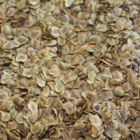
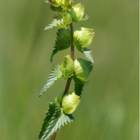
Yellow Rattle Seeds 2026 Harvest (Rhinanthus minor)
This item has now sold out and we have temporarily paused pre-orders.
We are working hard to obtain more stock and hope to be able to offer it again soon. Please check back for updates.
Produced from native UK seed and cleaned to an exceptionally high-standard of purity and germination.
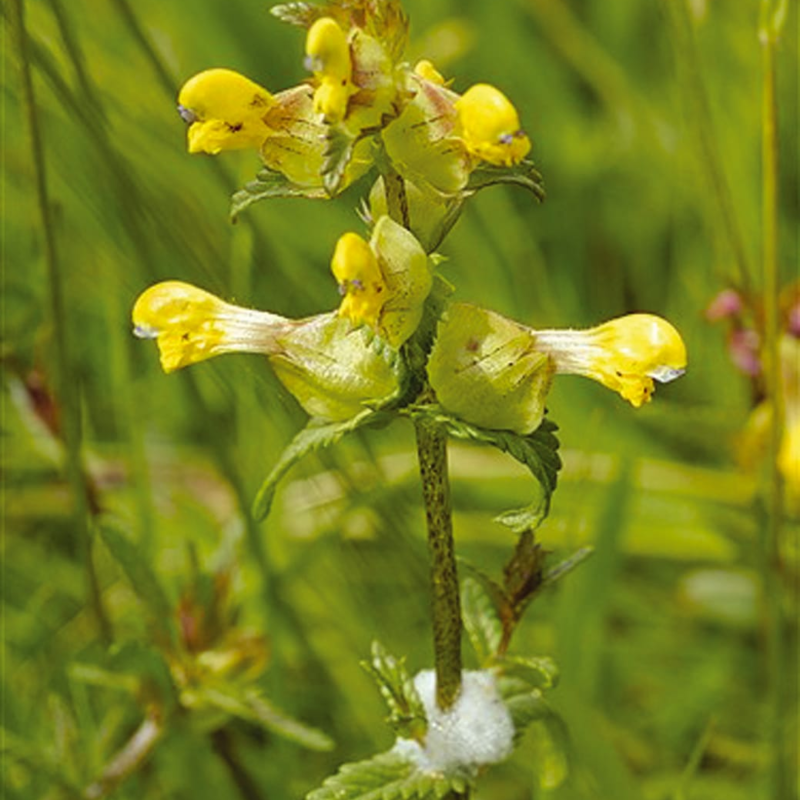
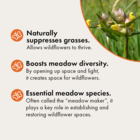
Yellow rattle seed is a vital addition to any wildflower meadow. By attaching itself to the roots of grass species and slowing its growth, it creates space for a wide range of wildflower seeds to flourish. Commonly found in grassy meadows and pastures throughout the UK. Also known as 'hay rattle', yellow rattle seeds should be sown in autumn or winter to break natural dormancy in the seed. If this is not possible and a spring sowing is required, chill in the fridge for six weeks prior to sowing. This can be sown into existing meadows or alongside other wildflower mixes to create a natural, nectar-rich haven for wildlife and pollinators.
- Height: 20 - 50cm
- Flowers: June - September
- Soil Requirement: Moist or well-drained
- Light Requirement: Full sun
- Seeds per gram: 270
This item is currently unavailable
When is the best time to sow yellow rattle seed?
Yellow rattle should be sown in the autumn before you want it to grow. The ideal sowing period is between October and November, allowing the seed to experience winter conditions before germinating in spring and flowering the following season.
Will yellow rattle grow back each year?
Is Yellow Rattle an annual or perennial? Yellow rattle is an annual wildflower, meaning each plant completes its life cycle within a single year. However, if the flowers are allowed to set seed naturally, new plants can emerge the following year from self-sown seed.
Can yellow rattle be sown alongside wildflower seeds?
Absolutely. Yellow rattle is often included in wildflower meadow mixes because it helps reduce the vigour of grasses by feeding on their roots. This creates more space and resources for wildflowers to thrive.
Does yellow rattle benefit pollinators?
Yes, yellow rattle produces nectar-rich blooms that attract a variety of pollinating insects, including bees, butterflies and hoverflies. It also encourages greater wildflower diversity, providing valuable habitats and food sources for wildlife.
How do I successfully grow yellow rattle?
For the best results, start by cutting existing grass very short and removing all clippings and weeds. Exposing areas of bare soil will improve germination. Sow the seed at approximately 5g per square metre, lightly rake it into the soil, and ensure the area remains moist for the first few weeks after sowing.
How long does it take for yellow rattle seed to germinate?
Yellow rattle seeds typically germinate during late winter or early spring, usually between February and April. Plants generally begin flowering from May onwards and can continue blooming into August.
Does yellow rattle help control weeds?
Yellow rattle is widely used in meadow creation because it naturally reduces the dominance of vigorous grasses. By drawing nutrients from surrounding plants, it creates better growing conditions for wildflowers and can help limit the spread of unwanted grasses and weeds over time.
Customers who bought this also bought:
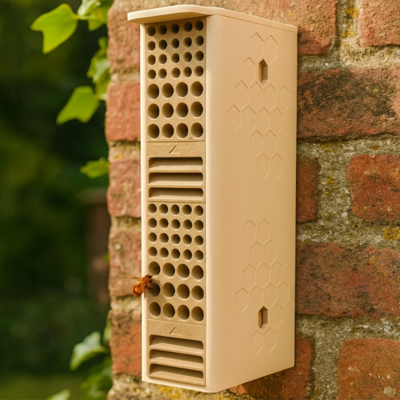
- Designed in Partnership with Buglife
- Eco-Friendly & Biodegradable
Support pollinators and wildlife with BugBlocks, a modular bug hotel designed in partnership with Buglife. This innovative bug hotel is made from eco-friendly, biodegradable materials with a blend of cornstarch PLA and recycled wood fibres. This not only reduces environmental impact but also ensures durability and weather resistance while retaining a natural, wood-like finish.
Each block is tail...
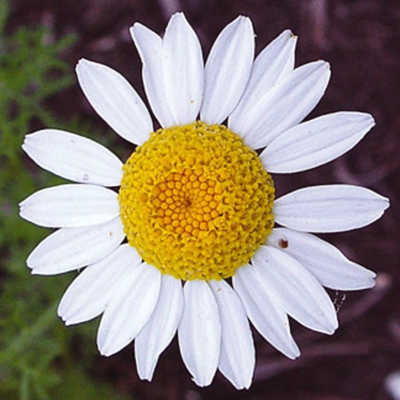
- White annual, flowers May-July.
- Pleasant, apple-like aroma.
The delightful white daisy flowers of this annual wildflower were once a common sight in cornfields. It is now much rarer due to the widespread use of selective herbicides. It has a compact upright habit, ideal for use on borders that will leave a strong, sweet scent similar to apples.
- Height: 20 - 30cm
- Flowers: May - July
- Soil Requirement: Well-drained
- Light Requirement: Full sun
- Seeds p...
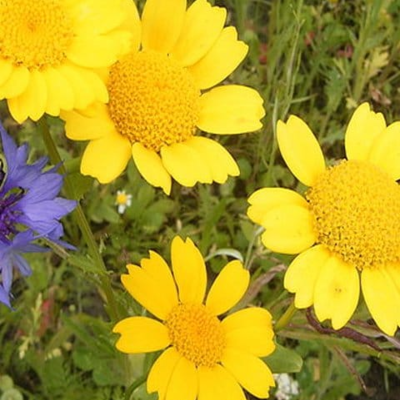
- Yellow annual, flowers June-Oct.
- Golden blooms, perfect as cut flowers.
Glorious annual wildflower seeds are very like a single Chrysanthemum. A fitting addition to beds and borders giving an understated delicious fragrance and can be used as cut flowers. Prolific in its production of wildflowers.
- Height: 15 - 45cm
- Flowers: June - October
- Soil Requirement: Well-drained
- Light Requirement: Full sun
- Seeds per gram: 400
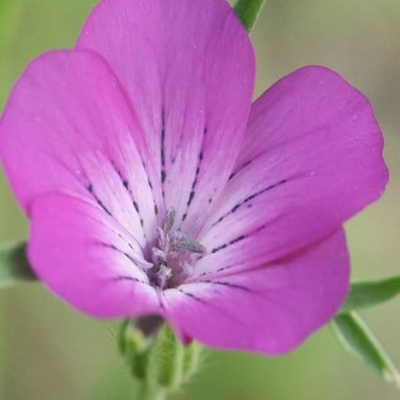
- Purple annual, flowers June-Aug.
- Large seeded and very easy to grow.
Once common in the cornfields of England, this wildflower has reddish-purple and solitary with undivided petals on a tall, furry stem. This wildflower seeds itself very prolifically and is related to other campions.
- Height: 60 - 120cm
- Flowers: June - August
- Soil Requirement: Sandy, well-drained
- Light Requirement: Full sun
- Seeds per gram: 80
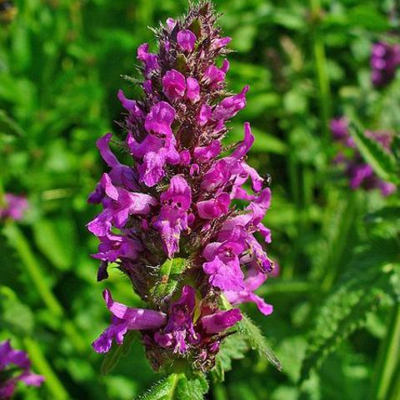
- Commonly found in open woodland.
- Purple perennial, blooms June-Aug.
A native perennial common in England and Wales, usually on light soils, in open woods, grassland and hedgerows. Attractive to Bees and butterflies alike. Spikes of red-purple flowers are produced on long slender stems growing from a rosette of crinkled leaves.
- Height: 30 - 60cm
- Flowers: June - August
- Soil Requirement: Well-drained
- Light Requirement: Full sun or partial shade
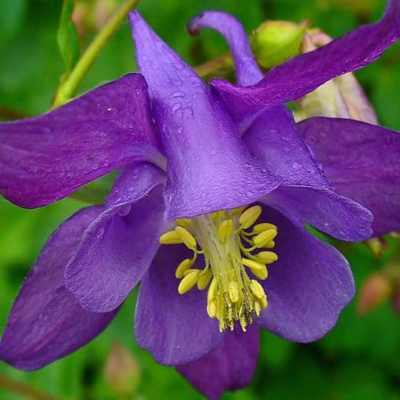
- Prefers damp soils.
- Violet perennial, blooms June-July.
This distinctive perennial is often found at woodland edges and roadsides, long-stalked with long-spurred blue-violet flowers. Aquilegia plug plants attract bees and butterflies.
- Height: 60cm
- Requires: Damp woods, dry and damp grasslands
- Flowers: June - July
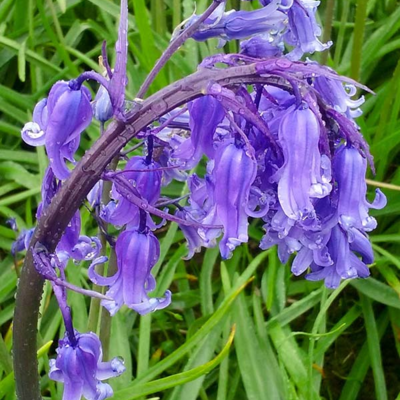
Easily grown from bulbs, Bluebells are ideal to add into woodlands and gardens to create swathes of blue in the Spring. Our stocks are pure British bluebells, carefully selected and lifted under license.
- Flowers: April-June
- Height: 30-40 cms
- Bulb size: 5+cm
- UK native
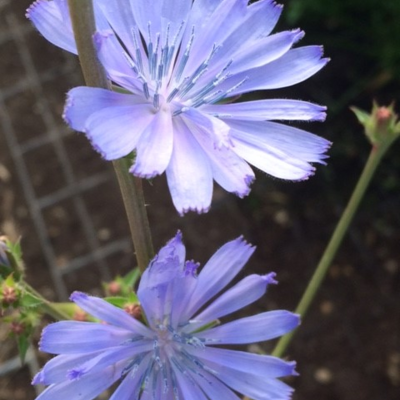
- Bold, beautiful star-like flower.
- Blue perennial, blooms June-Sept.
Also known as Blue Daisy, Blue Dandelion, Blue Sailors, Blue Weed, Bunk, Coffee Weed, Hendibeh, Horseweed, Ragged sailors, Succory, Wild Bachelors buttons and Wild Endive. Many varieties of this star-like clear blue-flowered plant are cultivated for a broad spectrum of uses such as salad leaves, chicons or roots which once baked and ground can be used as a food additive and a substitute for coffee...
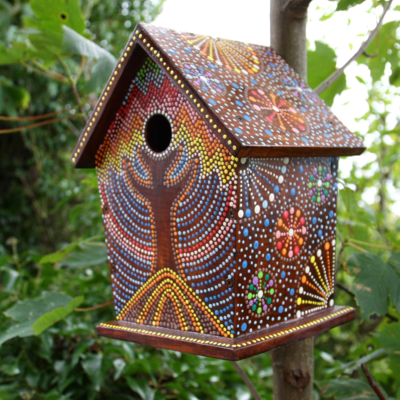
- Carefully Hand-Painted
- Made from Sustainably Sourced Timber
This cosy nest box is the perfect little hideaway for small birds, offering a safe and snug place to roost, rest, and nest from autumn right through to spring! Just in time for raising their hatchlings! Each box is lovingly handcrafted and hand-painted using traditional techniques, and made from sustainably sourced timber, so it’s as kind to the planet as it is to its feathered guests.
- Carefu...
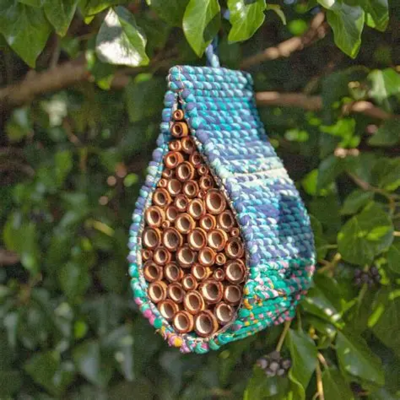
- Handcrafted in Bangladesh
- Crafted from Recycled Saris
These Bee Nesters are handmade in Bangladesh from recycled saris, turning vibrant textiles into beautiful homes for bees while helping support families out of poverty. No two are ever the same, making each Artisan Bee Nester completely unique and full of character.
- Handcrafted in Bangladesh
- Crafted from Recycled Saris
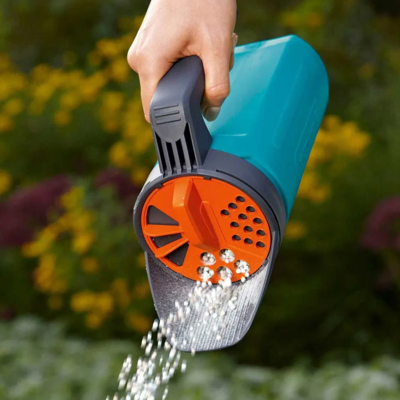
- Easy to use - simply fill and shake!
- Robust and hard-wearing for long-term use
Our easiest to use spreader for simple and accurate application. No assembly required, simply fill and shake. Ideal for patching lawns, spreading wildflower seeds and applying lawn fertiliser. Versatile and lightweight with three flow settings.
- Easy to use - simply fill and shake!
- Suitable for grass seed, wildflower seed and fertilisers
- Robust and hard-wearing for long-term use
- Accurate distribution...
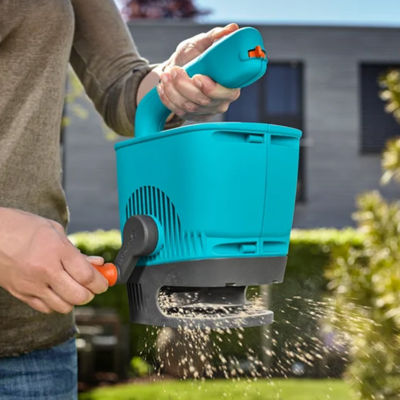
- Even, consistent spreading
- 4 adjustable output settings
This hand‑held seed and fertiliser spreader is an easy, reliable way to apply seed, fertiliser or winter grit across small areas. Lightweight and comfortable to use, it delivers smooth, even coverage.
Key Features:
- Ergonomic handle with balanced weight for comfortable use
- Even, consistent spreading
- Simple hand turning mechanism
- Ideal for areas up to 100sqm
- 4 adjustable output settings
- A...
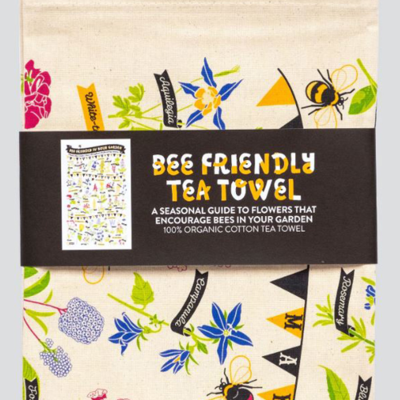
Created using unbleached and organic cotton, this unique tea towel features a guide to seasonal wildflowers perfect for bees and other pollinators - a delightful addition to any kitchen!
Designed and produced in collaboration with Friends of the Earth to increase awareness of the vital contribution bees make to our food supply, economy and quality of life.
- Organic and unbleached
- Size - 48cm...
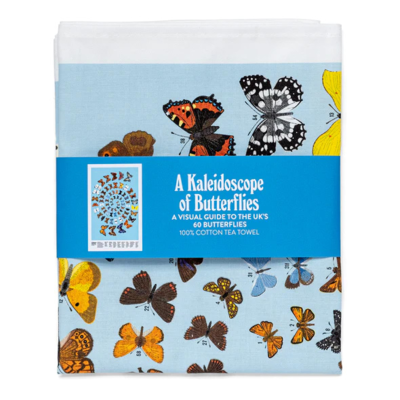
A brand new edition to our range showcasing 60 wonderful native and migrant Butterflies that are in need of our support to help stop the decline in numbers that we are sadly seeing with how the environment is changing.
This tea towel has been designed and produced in collaboration with Friends of the Earth and provides a good guide for all the species you may see in your own garden.
- 100...
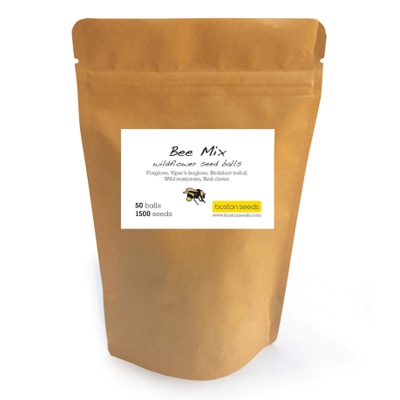
A mix of native wildflowers that the bees are bound to love! This carefully formulated mix includes selected species all recommended as bee-friendly plants by the Bumblebee Conservation Trust to attract solitary bees, honey bees and bumblebees; with an added splash of annuals for instant colour.
- Seed Mix including Birdsfoot Trefoil, Foxglove, Red Clover, Viper's Bugloss and Wild Marjoram
- Bes...
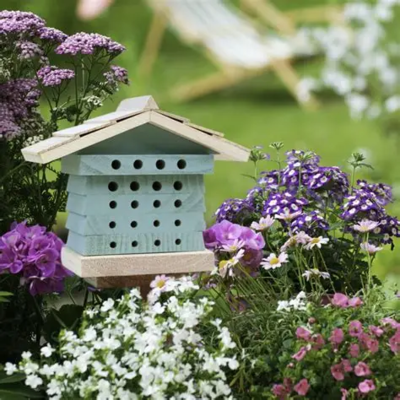
- Made for Solitary Bees to Rest & Nest Over the Winter
- Made from Eco-Friendly FSC Certified Timber
Give your garden some buzz with our charming Bee Hotel! This friendly little home is perfect for solitary bees to nest, rest, and explore. Made from eco-friendly FSC-certified timber, it’s a safe, durable, and delightful way to welcome hardworking pollinators into your outdoor space.
- Made for Solitary Bees to Rest & Nest Over the Winter
- Made from Eco-Friendly FSC Certified Timber
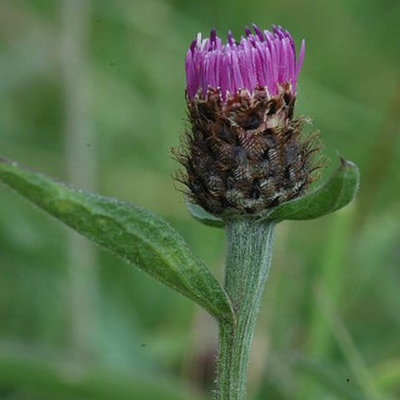
- Purple perennial, flowers June-Sept.
- Member of the thistle family.
Common knapweed or hardheads is a colourful meadow plant of the thistle family. Tight purple flowers, with lance-shaped leaves. Forms dense clumps over time, ideal for sunny meadows and hedgebanks.
- Height: 30 - 60cm
- Flowers: June - September
- Soil Requirement: Well-drained
- Light Requirement: Full sun and partial shade
- Seeds per gram: 500
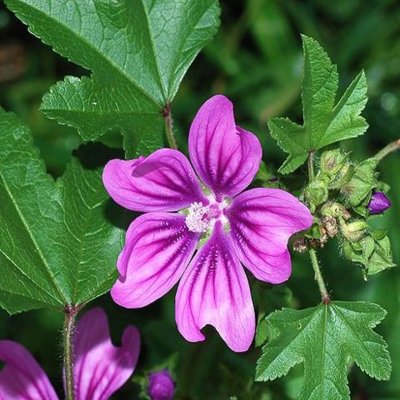
- Pink perennial, flowers June-Sept.
- Adaptable to most soil types.
Large resilient bushy perennial wildflower plant, favouring sunny open areas. With ivy-shaped leaves, and dark pink flowers. Well placed at the back of borders but adaptable to many diverse habitats.
- Height: 30 - 90cm
- Flowers: June - September
- Soil Requirement: Well-drained
- Light Requirement: Full sun
- Seeds per gram: 150
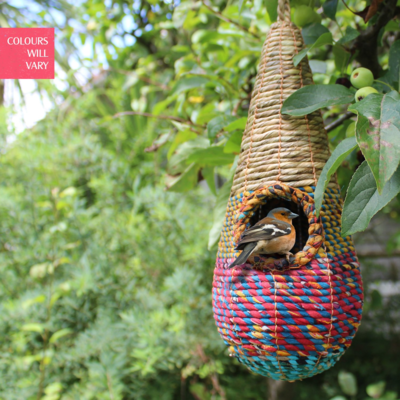
- Made from Recycled Saris & Natural Seagrass
- Handcrafted in Bangladesh
The Tahera Artisan Bird Nester is a circular wild bird nester. This shape offers a smaller cavity for the smaller species of garden birds offering a cosy place to roost in during the harsh winter. In the springtime, this doubles up as a suitable nest for smaller birds.
The sturdy inner frame provides good support, attached to strong metal hooks that make this easy to attach in your garden among...
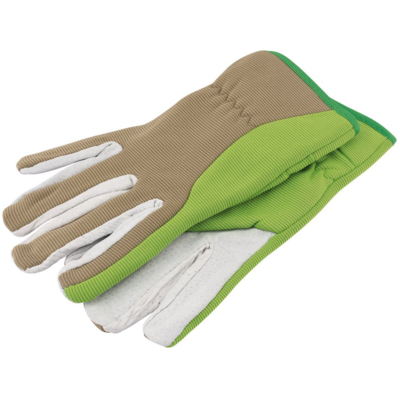
- Medium duty
- Available in 2 sizes
Built for brambles, borders, and everything in between. Tough on the outside, comfy on the inside; perfect for getting stuck in without roughing up your hands! These sturdy gloves are your new garden sidekick, made from tough leather for reliable use, season on season!
- Fantastic all-round protection for gardening tasks
- Breathable elasticated back and open cuffs ensure hands remain comfortable
Buy With Confidence
Landlife Wildflowers grow and supply high-quality, native wildflower products, restoring wildflowers right across the UK. Working in conjunction with wildlife charity, Buglife, we’re bringing back Britain’s treasured wildflowers! Find out more about why we’ve been trusted by the general public, Natural England and The National Trust for over twenty years.
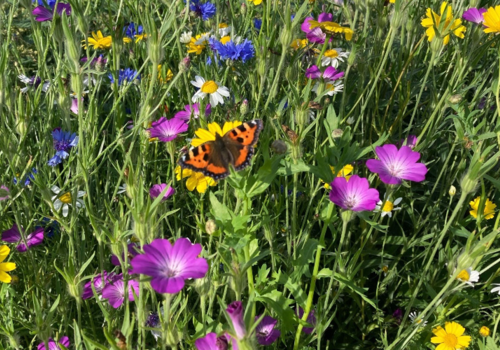
We’re proud to supply only the highest-quality, native wildflower products - tried, tested and refined by us for two decades to ensure each and every customer is delighted with their purchase. Find out more about our commitment to the supply of native, provenance-assured wildflower products to restore Britain’s natural wildflower habitats for bees, butterflies, birds and wildlife.
If you have any questions or would like to get in touch, our team of wildflower experts are on hand to guide you every step of the way. We love talking about wildflowers and the quality of our products, and are pleased to help with any enquiry, including how to establish wildflowers, product recommendations and even creating custom mixtures for specific projects.