
Roof Wildflower Turf®
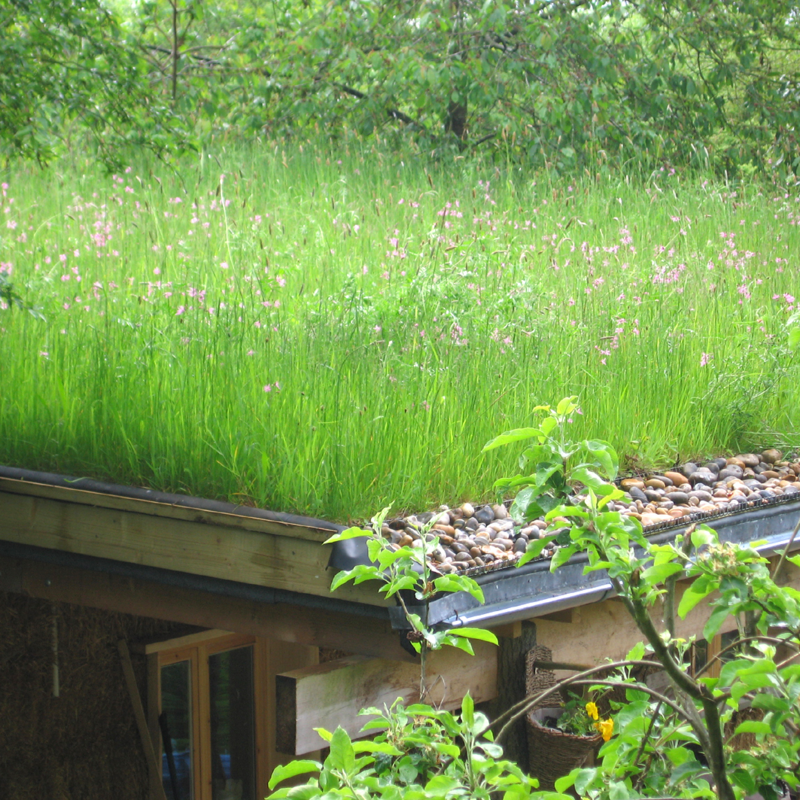
An easy way to provide an abundance of flora in tricky-to-prepare areas such as garage roofs and container units, our Roof Turf contains a blend of meadow grass and 36 UK Native wildflower species. This mix has been carefully formulated to include species that tolerate dry, free-draining soils and light areas of shade, so you can create your perfect meadow habitat in any area.
- Can be applied any time of year providing it is kept moist and the ground isn't frozen
- 20% Grass, 80% Flora - 36 Native wildflower species
- UK Native perennial wildflower turf
- Low maintenance - needs cutting once a year minimum
- Established height: 30cm - 75cm
- Typical applications: public buildings, private houses, garages, containers
Find establishment and maintenance information below.
Please note that your order will only be delivered from Tuesdays to Thursdays. Due to the nature of Wildflower Turf, it is cut and lifted at the point of order. Therefore, unfortunately, we’re unable to accept any cancellations or returns.
Turf size will vary with application but is generally 1m x 0.64m = 0.64m² slabbed or 1.62m x 0.77m = 1.25m² rolled.
| Flora (80%) | ||
| Autumn Hawkbit | (Perennial) | UK Native |
| Betony | (Perennial) | UK Native |
| Birds Foot Trefoil | (Perennial) | UK Native |
| Black Medic | (Perennial) | UK Native |
| Bladder Campion | (Perennial) | UK Native |
| Common Cat's Ear | (Perennial) | UK Native |
| Chives | (Perennial) | UK Native |
| Clustered Bellflower | (Perennial) | UK Native |
| Common Knapweed | (Perennial) | UK Native |
| Common Sorrel | (Perennial) | UK Native |
| Common Toadflax | (Perennial) | UK Native |
| Cowslip | (Perennial) | UK Native |
| Field Scabious | (Perennial) | UK Native |
| Hoary Plantain | (Perennial) | UK Native |
| Kidney Vetch | (Perennial) | UK Native |
| Ladys Bedstraw | (Perennial) | UK Native |
| Meadow Buttercup | (Perennial) | UK Native |
| Meadow Cranesbill | (Perennial) | UK Native |
| Meadowsweet | (Perennial) | UK Native |
| Musk Mallow | (Perennial) | UK Native |
| Ox Eye Daisy | (Perennial) | UK Native |
| Perforate St John's Wort | (Perennial) | UK Native |
| Ragged Robin | (Perennial) | UK Native |
| Red Campion | (Perennial) | UK Native |
| Ribwort Plantain | (Perennial) | UK Native |
| Rough Hawkbit | (Perennial) | UK Native |
| Salad Burnet | (Perennial) | UK Native |
| Self-Heal | (Perennial) | UK Native |
| Small Scabious | (Perennial) | UK Native |
| Thrift | (Perennial) | UK Native |
| Tufted Vetch | (Perennial) | UK Native |
| Viper's Bugloss | (Perennial) | UK Native |
| White Campion | (Perennial) | UK Native |
| Wild Marjoram | (Perennial) | UK Native |
| Wild Red Clover | (Perennial) | UK Native |
| Yarrow | (Perennial) | UK Native |
| Grasses (20%) | ||
| Sheep's Fescue |
How to lay your Wildflower Turf
1 - Delivery
Depending on the time of year, your Wildflower Turf will be delivered on a pallet in either rolls or slabs. The turf should be laid within 24 hours of receiving the delivery to prevent drying out. If this is not viable, remove the turf from the pallet, unroll and keep watered until it’s able to be laid.
2 - Ground Preparation
Ensure any weeds or debris are removed from the area and take it back to bare earth. This can be done by using weedkiller or a plastic sheet.
3 - Rotavate the Soil
Rotavate the area to a depth of 10cm to create a fine tilth by using either a rotavator or tiller. If any debris is brought to the surface, remove.
4 - Weed Prevention
Leave the soil fallow after rotavating for 1-2 weeks. Disturbance of the soil during rotavating can cause germination of weeds. Remove these before laying the turf.
5 - Final Ground Preparation
48 hours before turf installation, water the area until saturated.
6 - Turf Installation
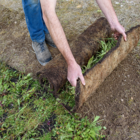
Roll/lay out the turf and press into the bare soil to ensure good soil contact, without overlapping the edges. Ensure there are no gaps between edges of the turf as this will promote weed growth. The turf can be cut to fit around any awkward shapes.
7 - Watering
Water the turf after laying and ensure the soil beneath the turf is damp. Water generously in the first couple of weeks to avoid the turf drying out.
8 - Root Establishment
After a couple of days following the turf being laid, slowly lift a corner of the turf up to check the roots are starting to knit into the soil.
1 - Flowering
A unique ‘soil-less’ system, Wildflower Turf will flower within the first year if containing annuals. Perennials in the mix will flower from the second year onwards once the roots are fully established and have gone through a period of vernalisation.
2 - Fertiliser
Wildflower prefer poorer soil types, so no fertiliser is required before or during establishment.
3 - Leaf Matter
If laying turf under trees, ensure that the leaf matter is removed as this can smother light for the young wildflowers and mulch back into the soil, enriching the area.
4 - Weeding
Gaps between each slab of turf can cause some dormant weed seeds to germinate once given the ideal conditions. Because of this, some common lawn weeds such as trefoil and plantain may appear – the best way to minimize this and remove the vigour is by either pulling them out or spot spraying.
5 - Spring Cut
Suited to an established meadow, an early spring cut (end of February/early March) will help tidy up the area ready for summer flowering. It is recommended not to cut any lower than 10cm as this can disturb the flowers starting to emerge. Remove the clippings after the cut. Cutting can either be done with a strimmer, mower (with the box off) or scythe.
6 - Autumn Cut
An autumn cut is required in order for annuals to self-seed and flower the following year, helping the meadow mature. Once the flowers have died back (around September/October) depending on the season, cut down to around 10cm in height and leave the cuttings on the surface for around 7-10 days. This will allow the seed heads to dry out and for the seed to drop into the soil. After this time, it is important to remove the cuttings to prevent them mulching back into the soil.
All of the Wildlfower Turf we supply includes Bio netting.
Bio netting is a manufactured netting made from proprietary ingredients that meet ASTM D6400 and EN-13432 compostability standards.
While the precise rate of degradation is still being studied, the materials have been selected to minimise environmental impact when compared with conventional plastic netting. This biodegradation process leaves behind elements that are natural and commonly found in the soil, so no microplastics.
Key Benefits to Bio netting include:
Environmentally Preferable
- Designed to break down naturally over time
- Eliminates reliance on conventional plastic netting and removes microplastic pollution
Practical Performance
- Retains structural strength for extended periods during installation and early establishment
- Supports roots and soil during the early stages of growth.
- Minor visible sections do not affect the overall stability of the planting matrix
Soil, Root & Water Penetrability
- Open mesh allows superior root penetration into the soil
- Supports quicker and more natural plant establishment
- Allows water to percolate freely, maintaining healthy drainage
- Does not restrict root growth or water movement, unlike some fabric matting systems
Sustainable Solution
- An environmentally mindful alternative to conventional plastic netting
- Supports soil health and surrounding ecosystems during its functional lifespan
- Biodegradation process leaves behind elements that are natural and commonly found in soil
Customers who bought this also bought:
- Designed in Partnership with Buglife
- Eco-Friendly & Biodegradable
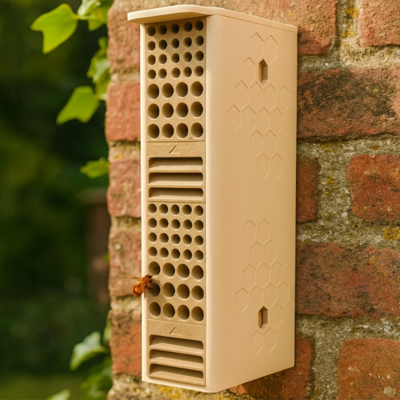
Support pollinators and wildlife with BugBlocks, a modular bug hotel designed in partnership with Buglife. This innovative bug hotel is made from eco-friendly, biodegradable materials with a blend of cornstarch PLA and recycled wood fibres. This not only reduces environmental impact but also ensures durability and weather resistance while retaining a natural, wood-like finish.
Each block is tail...
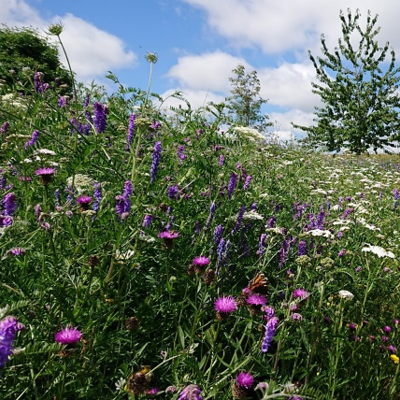
- 30 UK native wildflowers and grasses
- Shade and drought tolerant in a wide range of soils
Renovate your outdoor space using Landscape 34 Wildflower Turf®. This turf combines over 30 UK native wildflowers and grasses to create a natural ‘hay meadow’ appearance. Designed to excel in areas of both shade and light, and in a vast array of soils. This wildflower turf is trusted for parks, commercial developments and private gardens to deliver reliable establishment.
- Establishes qui...
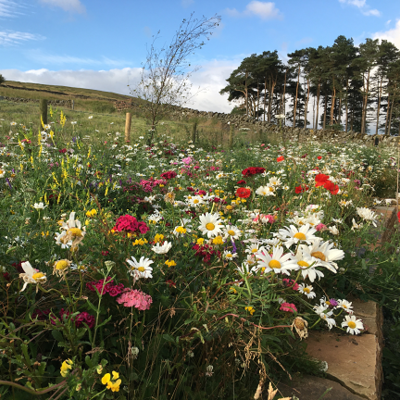
- 15% Grass, 85% Flora - 52 wildflower species
- A fast, reliable way to establish a wildflower meadow
Create a bold display of both native and naturalised wildflowers using Native Enriched Wildflower Turf®. Carefully formulated to extend the flowering season, this turf is suited to a wide range of soils in both shaded and non-shaded areas. Lifted to order, this turf provides visual interest from early Spring to mid-Autumn.
- A fast, reliable way to establish a wildflower meadow
- Extended flowering ...
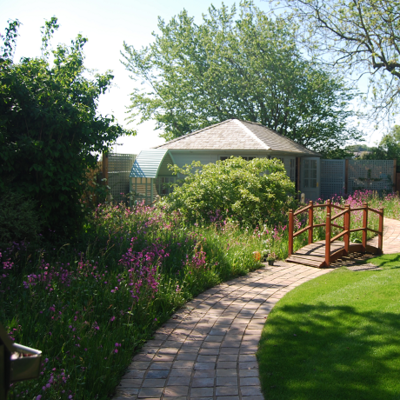
Show the shaded areas of your garden some love with the Shade Tolerant Wildflower Turf®. This turf has been carefully formulated to include species that thrive in shaded areas, ensuring you get maximum biodiversity throughout all areas of your garden.
- This heavily perennial turf ensures long, colourful displays
- UK Native perennial wildflower turf
- Shade and drought tolerant in a ra...
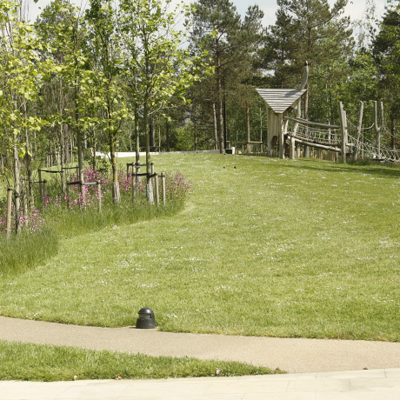
- 80% Grass, 20% Flora - 20 Native wildflower species
- The perfect transition from a monoculture lawn to a biodiverse haven
The perfect transition from a monoculture lawn to a biodiverse haven to support beneficial insects. Our Species Rich Lawn Turf contains 80% grasses to provide excellent cover for a conventional lawn suited to wear and tear as well as being suited to a range of locations including both partially shaded and dry areas.
- Add a valuable source of pollen and nectar to your lawn
- Copes well with shady conditions ...
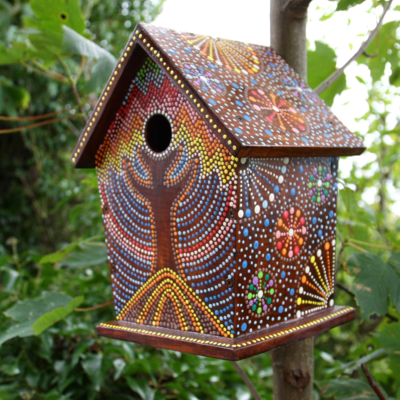
- Carefully Hand-Painted
- Made from Sustainably Sourced Timber
This cosy nest box is the perfect little hideaway for small birds, offering a safe and snug place to roost, rest, and nest from autumn right through to spring! Just in time for raising their hatchlings! Each box is lovingly handcrafted and hand-painted using traditional techniques, and made from sustainably sourced timber, so it’s as kind to the planet as it is to its feathered guests.
- Carefu...
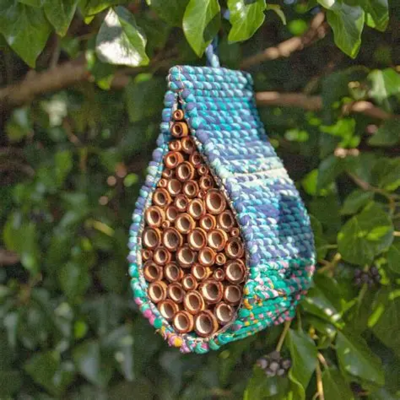
- Handcrafted in Bangladesh
- Crafted from Recycled Saris
These Bee Nesters are handmade in Bangladesh from recycled saris, turning vibrant textiles into beautiful homes for bees while helping support families out of poverty. No two are ever the same, making each Artisan Bee Nester completely unique and full of character.
- Handcrafted in Bangladesh
- Crafted from Recycled Saris
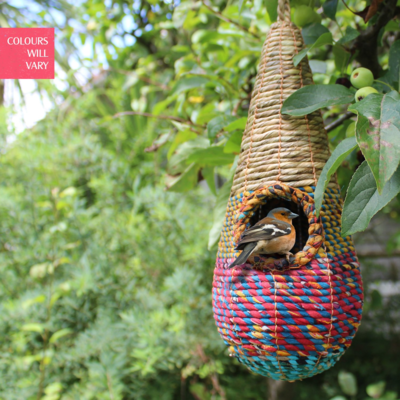
- Made from Recycled Saris & Natural Seagrass
- Handcrafted in Bangladesh
The Tahera Artisan Bird Nester is a circular wild bird nester. This shape offers a smaller cavity for the smaller species of garden birds offering a cosy place to roost in during the harsh winter. In the springtime, this doubles up as a suitable nest for smaller birds.
The sturdy inner frame provides good support, attached to strong metal hooks that make this easy to attach in your garden among...
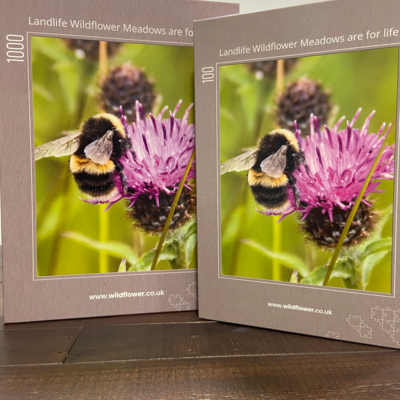
- Perfect Stocking Filler
- Available as 100 or 1000 piece jigsaws
Bring your wildflower meadow inside with our brightly coloured bee jigsaw puzzle which showcases a Bumble Bee on a bold, bright Common Knapweed flower. With its vivid green background, this Jigsaw isn't for the faint-hearted!
- Made from thick, durable board
- Completed Size (100 Piece*): 48 x 36cm
- Completed Size (1,000 Piece): 64 x 48cm
- Each puzzle is carefully enclosed in a rustic gift box...
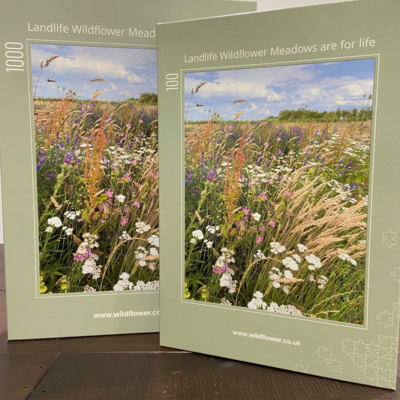
Turn your favourite meadow into a fun pastime with our Native Flora Jigsaw Puzzle! This bright and bold design captures our wildflower meadow at its best with various species differing in colour, height and stature. Suited to a wide age range, our Jigsaw Puzzles are the perfect gift for any wildflower enthusiast!
- Made from thick, durable board
- Completed Size (100 Piece*): 48 x 36cm
- Complete...
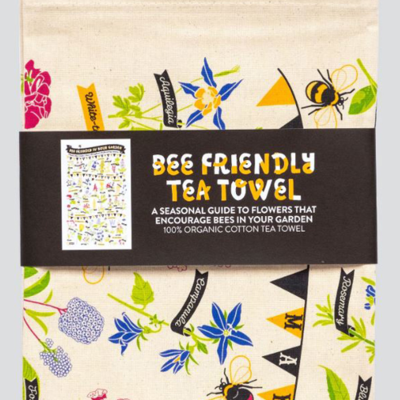
Created using unbleached and organic cotton, this unique tea towel features a guide to seasonal wildflowers perfect for bees and other pollinators - a delightful addition to any kitchen!
Designed and produced in collaboration with Friends of the Earth to increase awareness of the vital contribution bees make to our food supply, economy and quality of life.
- Organic and unbleached
- Size - 48cm...
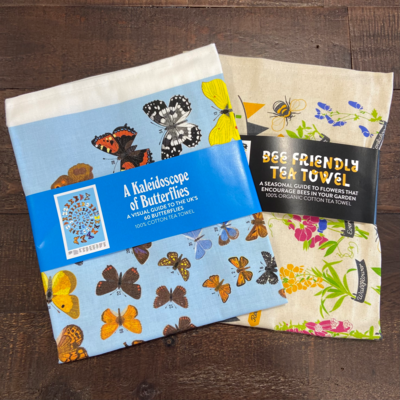
This unique tea towel bundle will feature a seasonal guide to pollinators and butterflies, of wish you may find in your own garden!
This tea towel has been designed and produced in collaboration with Friends of the Earth and provides a good guide for all the species you may see in your own garden.
- 100% Cotton tea towel
- Size - 48cm x 76cm / 19” x 30”
- Wash Max 50°C
- 75p donated to Fri...
- Medium duty
- Available in 2 sizes
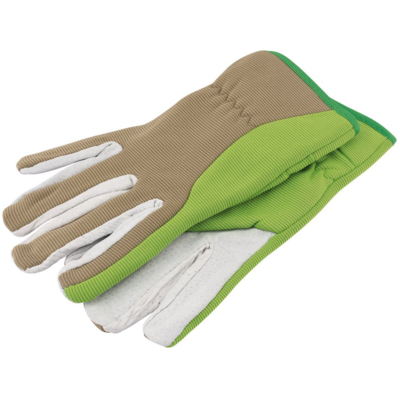
Built for brambles, borders, and everything in between. Tough on the outside, comfy on the inside; perfect for getting stuck in without roughing up your hands! These sturdy gloves are your new garden sidekick, made from tough leather for reliable use, season on season!
- Fantastic all-round protection for gardening tasks
- Breathable elasticated back and open cuffs ensure hands remain comfortable
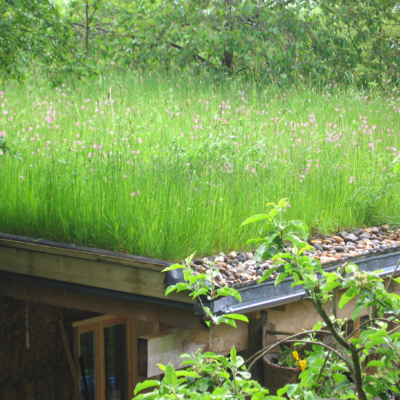
- 20% Grass, 80% Flora - 36 Native wildflower species
- Typical applications: public buildings, private houses, garages, containers
An easy way to provide an abundance of flora in tricky-to-prepare areas such as garage roofs and container units, our Roof Turf contains a blend of meadow grass and 36 UK Native wildflower species. This mix has been carefully formulated to include species that tolerate dry, free-draining soils and light areas of shade, so you can create your perfect meadow habitat in any area.
- Can be applied any time of year ...
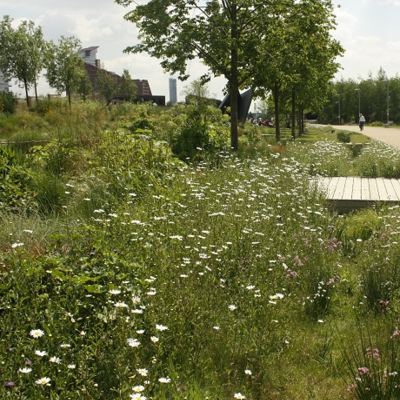
- Ideal for drought and areas of periodic flooding
- Hardy and well climatised to UK climate
Formulated using experience with the Sustainable Urban Drainage System and Landscape and Ecology professionals, SuDS Turf will thrive in a range of areas and cope well with periods of waterlogged soils or drought conditions. This easy-to-establish turf includes species which will help break up the soil pan to aid water dispersal whilst providing pollen and nectar for beneficial insects.
- Id...
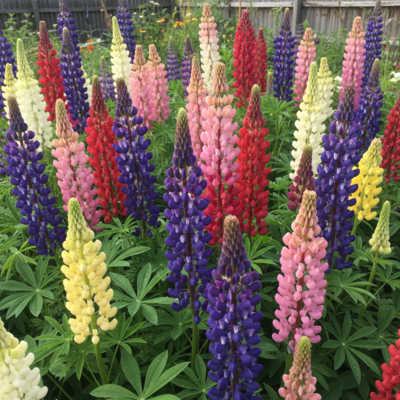
Give your garden a pop of playful color with our Lupin Flower Seed Mix, featuring tall, spiky blooms in cheerful, eye-catching hues! These soil-loving, nitrogen-fixers not only help your garden thrive but give a helping hand to hungry pollinators. Easy to grow and wonderfully dramatic, Lupins add cottage-garden charm and a splash of wow to any border or flower bed.
- A hand-picked mix of nectar-...
Buy With Confidence

Landlife Wildflowers grow and supply high-quality, native wildflower products, restoring wildflowers right across the UK. Working in conjunction with wildlife charity, Buglife, we’re bringing back Britain’s treasured wildflowers! Find out more about why we’ve been trusted by the general public, Natural England and The National Trust for over twenty years.
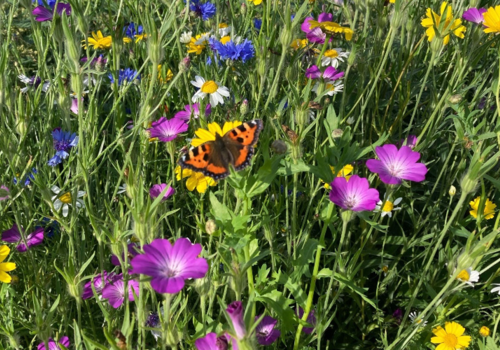
We’re proud to supply only the highest-quality, native wildflower products - tried, tested and refined by us for two decades to ensure each and every customer is delighted with their purchase. Find out more about our commitment to the supply of native, provenance-assured wildflower products to restore Britain’s natural wildflower habitats for bees, butterflies, birds and wildlife.

If you have any questions or would like to get in touch, our team of wildflower experts are on hand to guide you every step of the way. We love talking about wildflowers and the quality of our products, and are pleased to help with any enquiry, including how to establish wildflowers, product recommendations and even creating custom mixtures for specific projects.