Spring is well and truly on the way, making now the perfect time to get out and about spotting the first blooms of the year and plan for the season to come.
Winter Wildflower Bulbs 'In the Green'
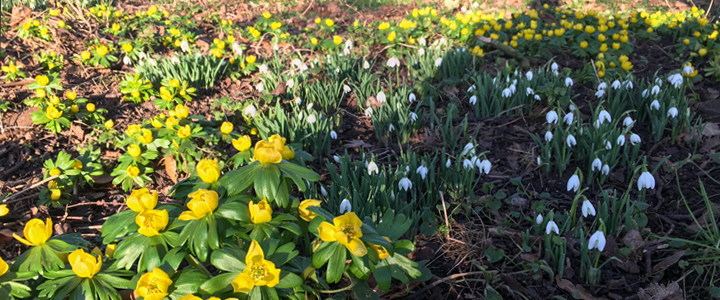
Snowdrops, Winter Aconites and non-native Daffodils have colourful blooms in February as they begin their flowering season in January. Wildflower bulbs 'in the green' provide you with near-instant results. This is because they are delivered sprouted and flowered ready for planting.
Other wildflower species will start making an appearance in February such as Primroses, Sweet Violets, Alexanders and Colt's Foot.
February is also a great month to divide larger perennial wildflowers such as Yarrow, Ox Eye Daisy and Greater Knapweed.
Wildflower Seeds
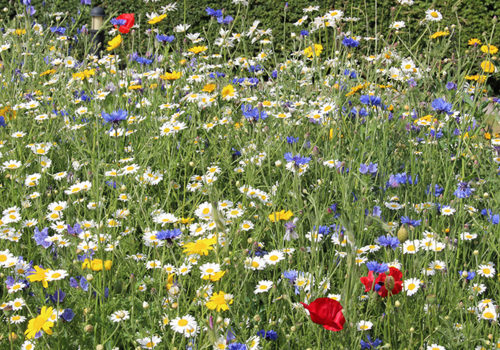
Wildflower Seed Mixes are a cost-effective way of transforming large areas into colourful meadows that support pollinators, but be aware that wildflower seeds vary significantly in the time they take to establish and flower.
Sowing Wildflower Seeds
Wildflower seed mixtures are best sown from late March to late October, but for those eager to begin their wildflower meadows a late February sowing in mild weather will not cause any issues.
When looking at wildflower seed mixtures, try to consider soil conditions during the flowering period of March to October to pick the correct mixture for the type of soil and result required, e.g. loam soils (Dry, Sandy and Loam Soils Wildflower Seeds LW3P 100%), clay soils (Heavy Clay Soils Wildflower Seeds LW5P 100%), pollinator-friendly (All Things Bright and Beautiful Bee & Butterfly Wildflower Seeds LWBP 100%)
Wildflower Meadow Maintenance
When it comes to wildflower maintenance, February is a quiet time and nothing should require your attention. To be well prepared, have a look at how to Maintain a Wildflower Meadow or Garden.
Wildflowers in February
The following wildflower species start flowering in January and have colourful blooms come February creating visually striking displays.
Snowdrops
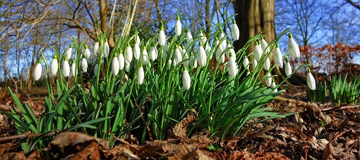
Snowdrops start making an appearance in January, but they begin to thrive and dominate their habitats in February and March. You will find snowdrops in damp soil such as woodlands and hedgebanks all over the UK.
Winter Aconites
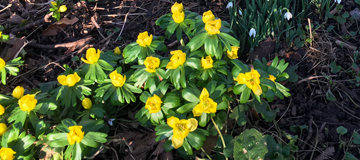
Another species that will be well into flowering is the Winter Aconite. These bright yellow flowers with attractive green foliage are scattered throughout the country but are mainly in the South Midlands, the Southeast and the East of England. Winter Aconites flower January to March.
Daffodils
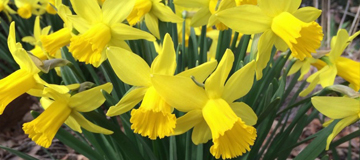
Non-native Daffodils are larger than the native Wild Daffodils with petals and a corona which is a darker yellow colour. Non-native species begin flowering in January and reach their flowering peak in February and March. These daffodils naturalise easily creating large stunning yellow displays found throughout the country in woodlands and wasteland. View our full range of Daffodils.
The following wildflowers make their first appearance in February:
Primroses
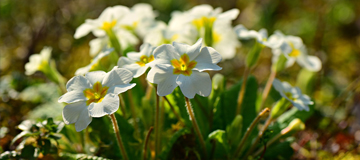
Found throughout the UK, the Primrose flowers from February to May and grows in shady areas such as woods, hedgebanks and besides footpaths. Commonly it has pale yellow petals with a deep yellow centre, but mauve forms can occasionally be found near habitation.
Spring Crocus
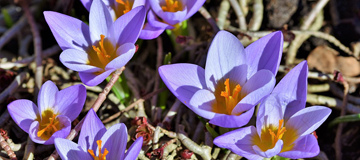
Spring Crocus flowers from February to April and is found throughout the UK with heavy naturalisation in the South of the county. Naturalised in grassy areas such as parks and churchyards.
Sweet Violets
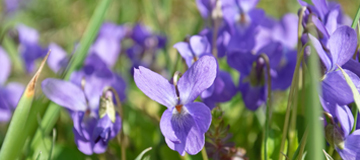
The Sweet Violet is the only native violet that is fragrant and flowers from late February through to May. Vastly naturalised throughout England but it's less common in the West and North-West.
Double Snowdrops
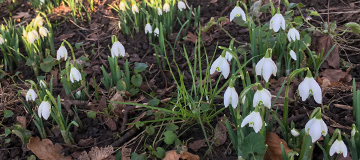
Double Snowdrops are less common than Single Snowdrops but occur naturally where there are large colonies of Snowdrops. They grow in damp soil found in woodlands, hedgebanks, churchyards and by paths. Can be seen in Greater London, Oxfordshire and Berkshire flowering from February to March. Search our complete range of snowdrops.
Our team of wildflower experts is on hand to help and advise. Contact the team by email or telephone on 01205 281902