Annual Wildflower Seeds
Our annual wildflower species are easy to grow and deliver a spectacular display of colour in their first year. Featuring favourites such as Cornflower, Common Poppy, Corn Marigold, Corn Chamomile and Larkspur, these vibrant annual wildflowers are perfect for garden borders, allotments, pollinator-friendly planting schemes and colourful wildflower displays. Sow in spring or autumn and enjoy masses of blooms in shades of blue, red, pink, white and yellow, attracting bees, butterflies and other beneficial insects throughout the summer.
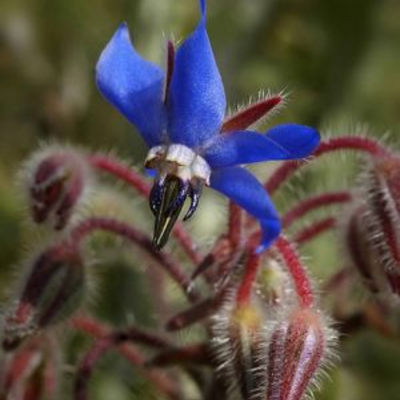
- Bright blue annual, flowers June-Sept.
- Easy to grow wildflower.
Borage is a strong, medium-height wildflower with bright blue flowers that attract masses of beneficial pollinators and insects. Commonly found in forest verges and natural meadows, Borage is an easy-to-grow annual.
- Height: 30 - 60cm
- Flowers: June - September
- Soil Requirement: Well-drained
- Light Requirement: Full sun
- 100 Seeds per gram
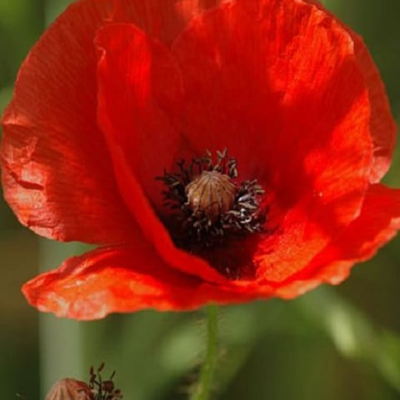
- Red annual, flowers May-July.
- Most loved and attractive wildflower.
Evocative red annual, short to medium height, a lover of disturbed ground and agricultural soils if given a chance to flower. Replenishes its bright vermilion petals each day. Proving season after season to be one of our most loved, attractive prominent wildflower. Ideally requires a frost or chilling to help germination.
- Height: 30 - 60cm
- Flowers: May - July
- Soil Requirement: Well-drained
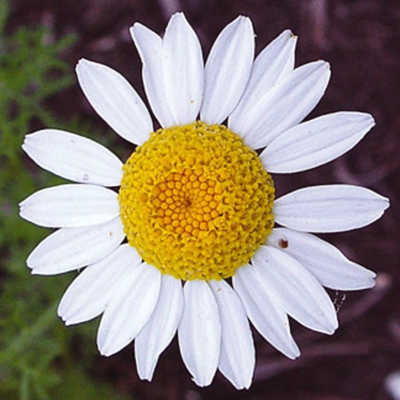
- White annual, flowers May-July.
- Pleasant, apple-like aroma.
The delightful white daisy flowers of this annual wildflower were once a common sight in cornfields. It is now much rarer due to the widespread use of selective herbicides. It has a compact upright habit, ideal for use on borders that will leave a strong, sweet scent similar to apples.
- Height: 20 - 30cm
- Flowers: May - July
- Soil Requirement: Well-drained
- Light Requirement: Full sun
- Seeds p...
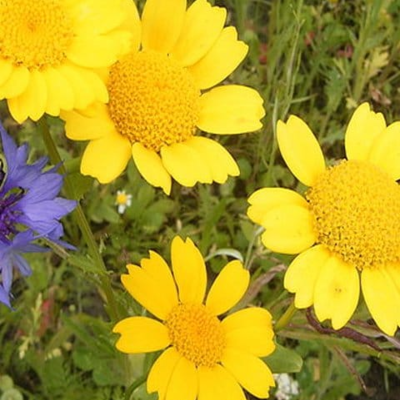
- Yellow annual, flowers June-Oct.
- Golden blooms, perfect as cut flowers.
Glorious annual wildflower seeds are very like a single Chrysanthemum. A fitting addition to beds and borders giving an understated delicious fragrance and can be used as cut flowers. Prolific in its production of wildflowers.
- Height: 15 - 45cm
- Flowers: June - October
- Soil Requirement: Well-drained
- Light Requirement: Full sun
- Seeds per gram: 400
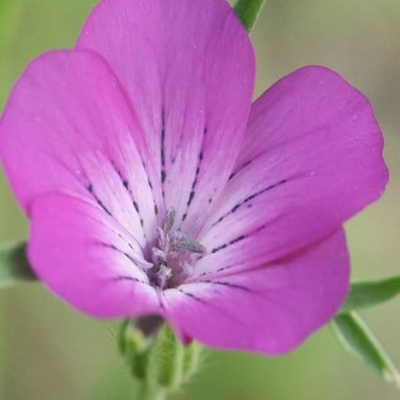
- Purple annual, flowers June-Aug.
- Large seeded and very easy to grow.
Once common in the cornfields of England, this wildflower has reddish-purple and solitary with undivided petals on a tall, furry stem. This wildflower seeds itself very prolifically and is related to other campions.
- Height: 60 - 120cm
- Flowers: June - August
- Soil Requirement: Sandy, well-drained
- Light Requirement: Full sun
- Seeds per gram: 80
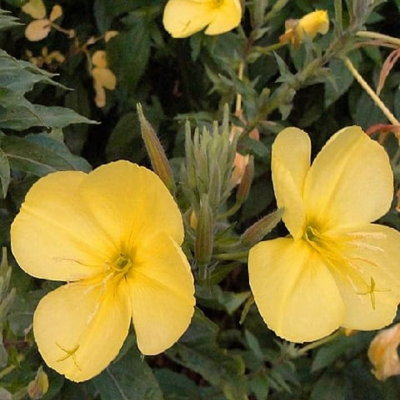
- Yellow biennial, flowers June-Sept.
- Sweetly scented and later flowering.
A tall, bright yellow annual or biennial widely naturalised in coastal areas and beside railway lines. Originally from North America, its oil is used in various herbal remedies. The flowers open in the evening and are visited by a large number of Moth species.
- Height: 100 - 150cm
- Flowers: June - September
- Soil Requirement: Well-drained, sandy
- Light Requirement: Full sun and partial shade
- Se...
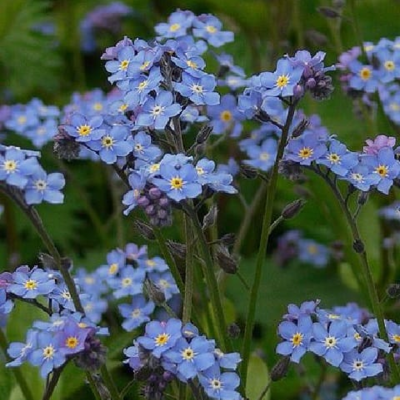
- Blue annual, flowers April-Oct.
- Tiny flowers that readily self-seed.
Tiny blue flowers that are perfect for attracting beneficial pollinators and insects. Easy to self-seed, this species will provide colour and essential pollen and nectar for years to come.
- Height: 30 - 40cm
- Flowers: April - October
- Soil Requirement: Well-drained
- Light Requirement: Full sun
- Seeds per gram: 4,000
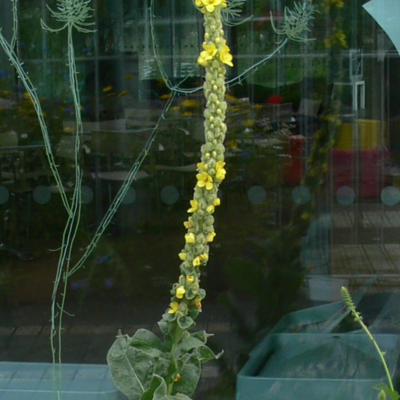
A native herbaceous biennial found on waste ground and in grassy places, mainly on sandy or chalky soil. It forms a rosette of whitish felt-like leaves with a tall spike of yellow flowers which are very attractive to bees and a food source for the caterpillar of the mullein moth.
- Good for: Bees and food for the caterpillar of the mullein moth
- Height: 30-200cm (1-6ft)
- Prefers: Sun or partial ...
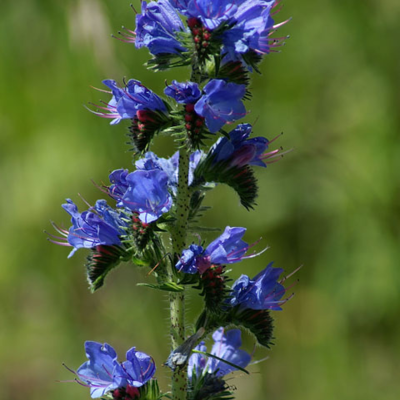
- Blue biennial, flowers June-Sept.
- Abundant supply of pollen and nectar.
A beautiful native biennial commonly found in rough grassy areas close to the coast and sand dunes. The striking bright blue flowers are a favourite with bumblebees and day-flying moths.
- Height: 25 - 75cm
- Flowers: June - September
- Soil Requirement: Well-drained
- Light Requirement: Full sun
- Seeds per gram: 230
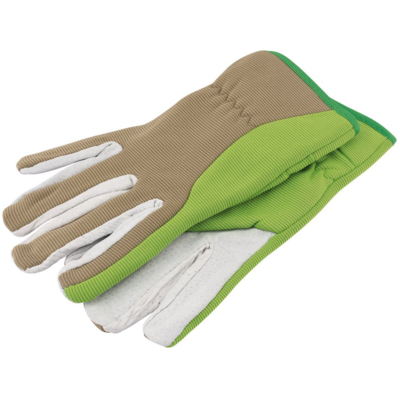
- Medium duty
- Available in 2 sizes
Built for brambles, borders, and everything in between. Tough on the outside, comfy on the inside; perfect for getting stuck in without roughing up your hands! These sturdy gloves are your new garden sidekick, made from tough leather for reliable use, season on season!
- Fantastic all-round protection for gardening tasks
- Breathable elasticated back and open cuffs ensure hands remain comfortable
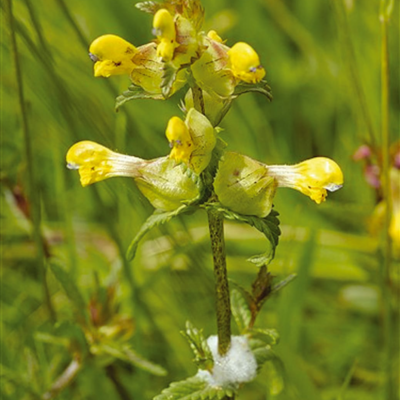
- Yellow annual, flowers June-Sept.
- Inviting to wildlife and pollinators.
This item has now sold out and we have temporarily paused pre-orders.
We are working hard to obtain more stock and hope to be able to offer it again soon. Please check back for updates.
Produced from native UK seed and cleaned to an exceptionally high-standard of purity and germination.
Yellow rattle seed is a vital addition to any wildflower meadow. By attaching itself to the roots of grass s...
This item is currently unavailable
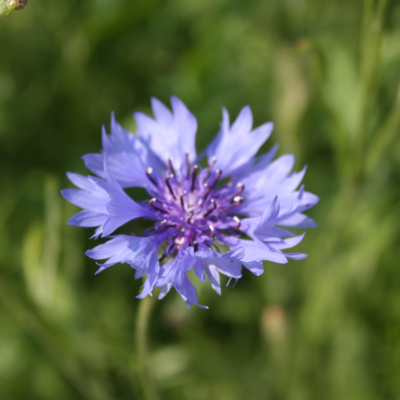
- Blue annual, flowers Jun-Aug.
- Striking species with feathered petals.
A once common annual weed of cornfields and waste places, now rarely seen. Bright blue wildflowers are produced on tall wiry stems with narrow leaves from June to August. Its fluffy formation is highly attractive to bees, butterflies and other pollinators.
- Height: 30 - 60cm
- Flowers: June - August
- Soil Requirement: Well-drained
- Light Requirement: Full sun
- Seeds per gram: 200
This item is currently unavailable
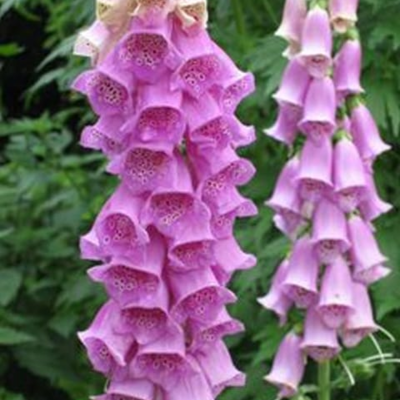
A native biennial occasionally perennial, common in woodland leering, hedgerows and heaths. Foxglove has tall spikes of pinkish-purple bell-shaped flowers. The flowers are pollinated by bumblebees.
- Height: 50 - 150 cm
- Prefers: Sun or partial shade
- Flowers: June - September
- Seeds per gram: 13,000
This item is currently unavailable
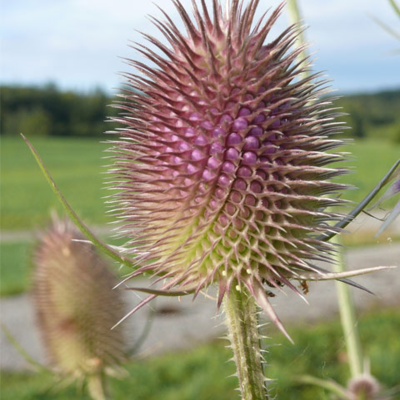
- Purple biennial, flowers July-Aug.
- Essential food source for wild birds.
A native biennial found on rough grassland, roadsides and wastelands. In the first season, it produces a rosette of sharp spikey leaves. In the second year it puts up a spiny flower head with a band of mauve flowers. It is particularly attractive to insects and seed-eating birds such as Goldfinches and Siskins.
- Height: 60 - 200cm
- Flowers: July - August
- Soil Requirement: Well-drained, moist
This item is currently unavailable
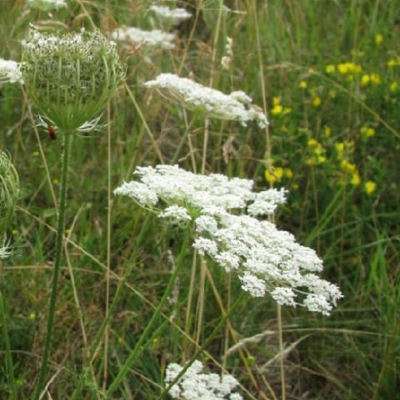
- White biennial, flowers June-Oct.
- Delicate blooms on tall upright stems.
A common annual or biennial plant of downs and roadsides, its leaves are a common sight in neglected vegetable gardens. The cultivated form provides the edible kitchen carrot. When the wild carrot begins to fruit, it is at its most distinctive. The fruits have long spines which attach themselves to any passing animal. In the 16th century, it was known as a remedy for epilepsy and much later on i...
This item is currently unavailable
Looking for something else?
We have a range of expertly blended 100% widlflower seed mixes or you can buy individual UK native species, perfect for tailored planting schemes.
Annual Wildflower Seeds FAQs
What Are Annual Wildflower Seeds?
Annual wildflowers grow, flower, and set seed within a single growing season, while biennials focus on leafy growth in their first year and flower in their second.
Annual wildflower seeds are often used where quick colour is needed, such as freshly prepared beds or seasonal planting areas. They germinate, bloom, and complete their lifecycle in one year, making them a straightforward choice for short-term displays.
Biennial wildflower seeds take longer to reach flowering. After germinating, they establish foliage and roots in year one before flowering the following season. When used together, annuals provide early impact while biennials help extend interest beyond the first year.
Why Choose Annual and Biennial Wildflowers for UK Gardens?
These types of flowers are ideally suited to UK gardens because they’re adaptable, easy to manage, and fit well into seasonal planting plans.
Annual and biennial wildflowers are well suited to borders, beds, wildlife patches, and informal garden areas where seasonal planting is preferred. Annual wildflower seeds for gardens are often chosen when visible impact is needed in the same year, particularly in newly prepared spaces.
Biennial wildflowers add depth to planting schemes by flowering in the following season once established. Many wildflowers perform well without high fertility soils or intensive feeding, and they sit comfortably alongside perennials, grasses, and shrubs to create a more natural looking display.
Which Annual and Biennial Wildflower Seed Varieties Are Popular?
A mix of annual and biennial species allows you to choose colour, height, and flowering windows, with many options available as English and UK native wildflowers.
Popular annual wildflower seed varieties include cornflower, field poppy, corn marigold, and phacelia. These species are commonly used for first-year colour and tend to flower quickly once established, making them useful for seasonal displays and newly prepared areas.
Biennial wildflower seed varieties such as foxglove, honesty, sweet rocket, and teasel take longer to reach flowering but provide structure and interest in later seasons. Different varieties support different pollinators and bloom at different times, which overall helps extend the flowering period. Using UK native annual wildflower seeds alongside biennials encourages a more balanced display and supports local wildlife in naturalistic planting schemes.
How Do You Sow and Grow Annual and Biennial Wildflowers Successfully?
Prepare a weed-free seedbed, sow at the right time for the species, ensure good seed to soil contact, and rely on rainfall or light watering to support germination.
Successful sowing starts with clearing existing weeds and lightly raking the surface to create a fine, level seedbed. Annual wildflower seeds in the UK are usually sown in spring or early autumn, depending on the effect you want and local conditions. English biennial wildflower seeds are typically sown from late summer to early autumn so plants can establish foliage before winter.
Seeds should be firmed gently into the soil rather than buried deeply, as light helps many species germinate. During the early stages, light watering in dry spells and simple weed control will help seedlings establish without competition.
Where Do Annual and Biennial Wildflowers Perform Best?
They perform best in sunny or lightly shaded areas with free-draining soil and low competition from existing grass and weeds.
Annual and biennial wildflowers are most successful in borders, beds, prepared patches, and newly cleared areas where the soil surface is open. Full sun generally encourages stronger growth and better flowering, although some species will tolerate light shade. Scattering seed onto thick grass, compacted ground, or hard surfaces usually leads to poor germination and uneven results.
Many wildflowers prefer lower fertility soils, as this limits excessive leafy growth and reduces pressure from weeds. These conditions make them well suited to small garden projects, wildlife corners, and mixed planting schemes where a more natural appearance is desired.
Are Annual and Biennial Wildflowers Good for Pollinators?
Yes, many annual and biennial wildflowers provide nectar and pollen for bees, butterflies, and other beneficial insects across the growing season.
Using a mix of species with different flowering times helps support pollinators from early spring through to late summer. Native wildflower species are especially valuable because they’re closely matched to the needs of local insect populations and fit naturally into existing ecosystems.
These plantings are well suited to wildlife gardens, community planting schemes, and wider biodiversity projects. Even small areas can play a role by linking gardens, borders, and open spaces, contributing to wider habitat networks while still delivering visual interest.
What is the main difference between annual and biennial wildflowers?
Annuals complete their lifecycle in one season, while biennials grow foliage in year one and flower in year two.
When is the best time to sow annual wildflower seeds in the UK?
Spring and early autumn generally provide the best moisture and temperature conditions for germination.
How long do biennial wildflowers take to flower?
Most biennials flower in their second growing season after establishing foliage in the first year.
Can annual and biennial wildflowers grow in poor soil?
Yes, many wildflowers perform well in low fertility soils where competition from grasses and weeds is reduced.
Do wildflowers need regular watering?
Natural rainfall is usually sufficient once established, although light watering may help during prolonged dry periods after sowing.
Buy With Confidence
Landlife Wildflowers grow and supply high-quality, native wildflower products, restoring wildflowers right across the UK. Working in conjunction with wildlife charity, Buglife, we’re bringing back Britain’s treasured wildflowers! Find out more about why we’ve been trusted by the general public, Natural England and The National Trust for over twenty years.
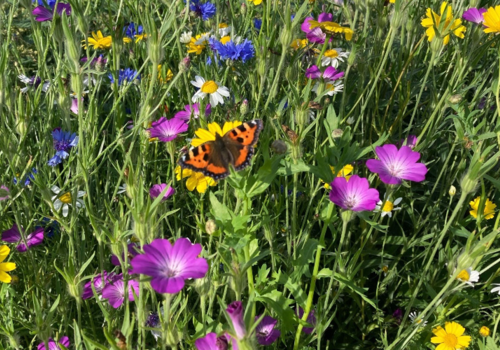
We’re proud to supply only the highest-quality, native wildflower products - tried, tested and refined by us for two decades to ensure each and every customer is delighted with their purchase. Find out more about our commitment to the supply of native, provenance-assured wildflower products to restore Britain’s natural wildflower habitats for bees, butterflies, birds and wildlife.
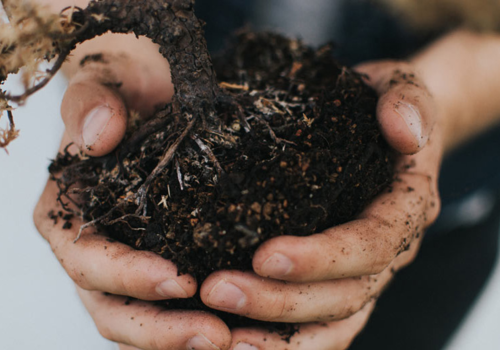
If you have any questions or would like to get in touch, our team of wildflower experts are on hand to guide you every step of the way. We love talking about wildflowers and the quality of our products, and are pleased to help with any enquiry, including how to establish wildflowers, product recommendations and even creating custom mixtures for specific projects.